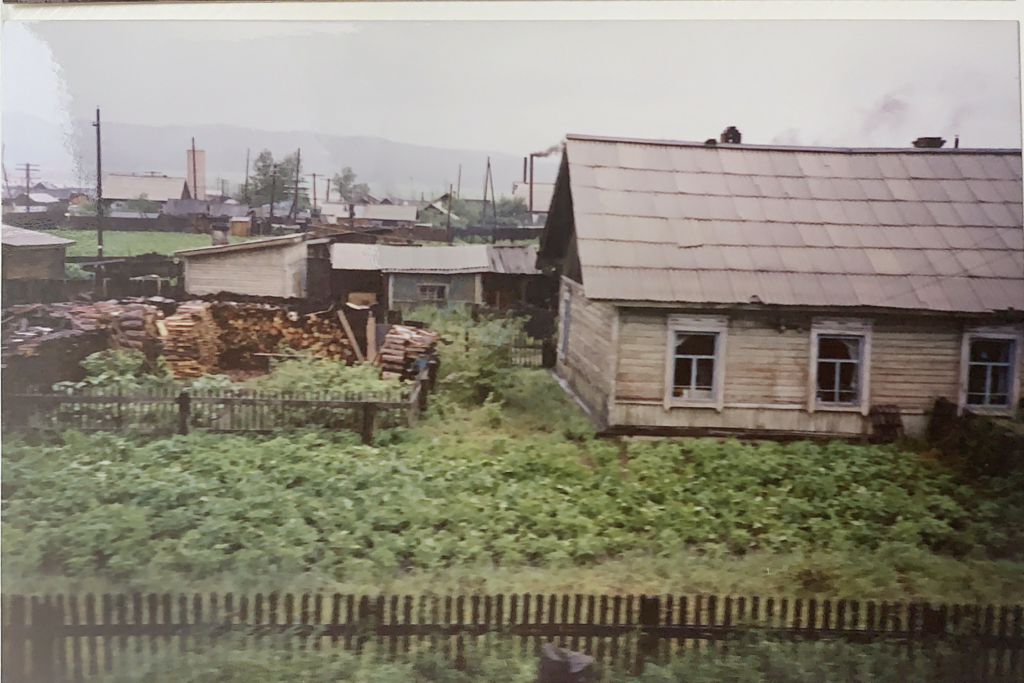
Ich bin, weil ihr seid
Kapstadt 2005 – Von der Convention weiter durch Südafrika nach Swasiland Botswana, Zambia, Zimbabwe und Namibia
Ubuntu . Völlig unerwartet in diesem kleinen westfälischen Ort taucht dieses Schild auf einer Hauswand auf. Total überrascht, gehe ich über die Straße auf das Schild zu. Es ist ein Geschäft: „World Marktplatz für afrikanische Produkte““ in Dülmen. Ich bin augenblicklich zurück in einem Versammlungsraum in Kapstadt, im Sommer 2005.

Dülmen – Ubuntu World Online -Marktplatz für afrikanische Produkte
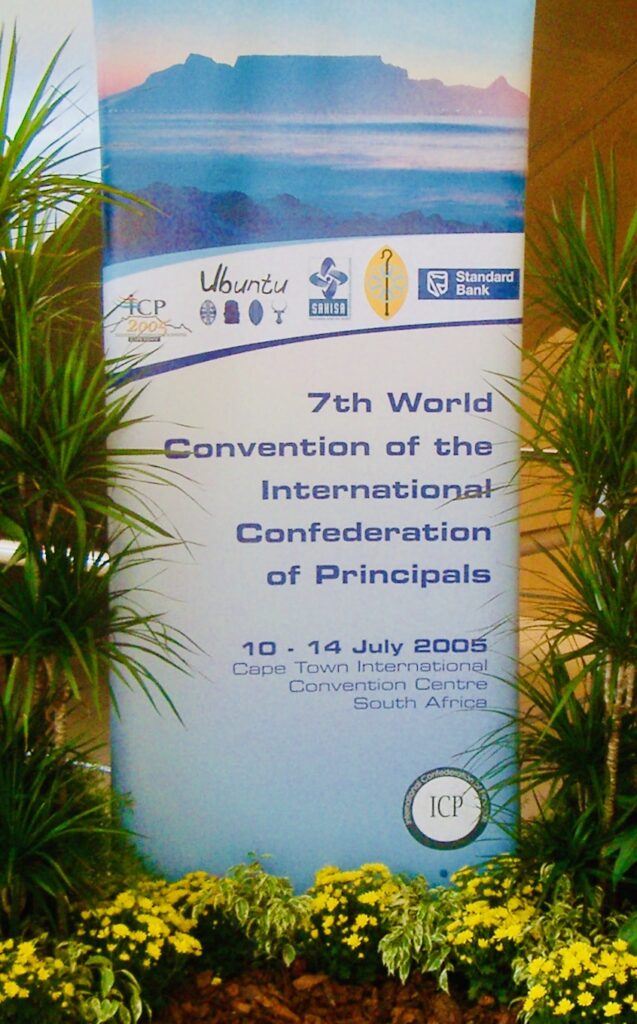
Es ist die 7. Weltkonferenz der International Confederation of Principals“ICP“. Nach einigen Tagen intensiver Arbeit – auch schwierig für uns als Vertretung Deutschlands bei der ersten Veröffentlichung der neuesten Pisa-Studie zu erfahren, dass das Bild von dem „besten Schulsystem der Welt “ nicht stimmt und wohl auch nie gestimmt hat. Die Schulleitungsvereinigung – Vereinigung Nordrhein-Westfalens SLV NRW – vertritt zusammen mit Partnership International aus Köln als Board Mitglieder Deutschland als Mitglied in dieser Organisation.
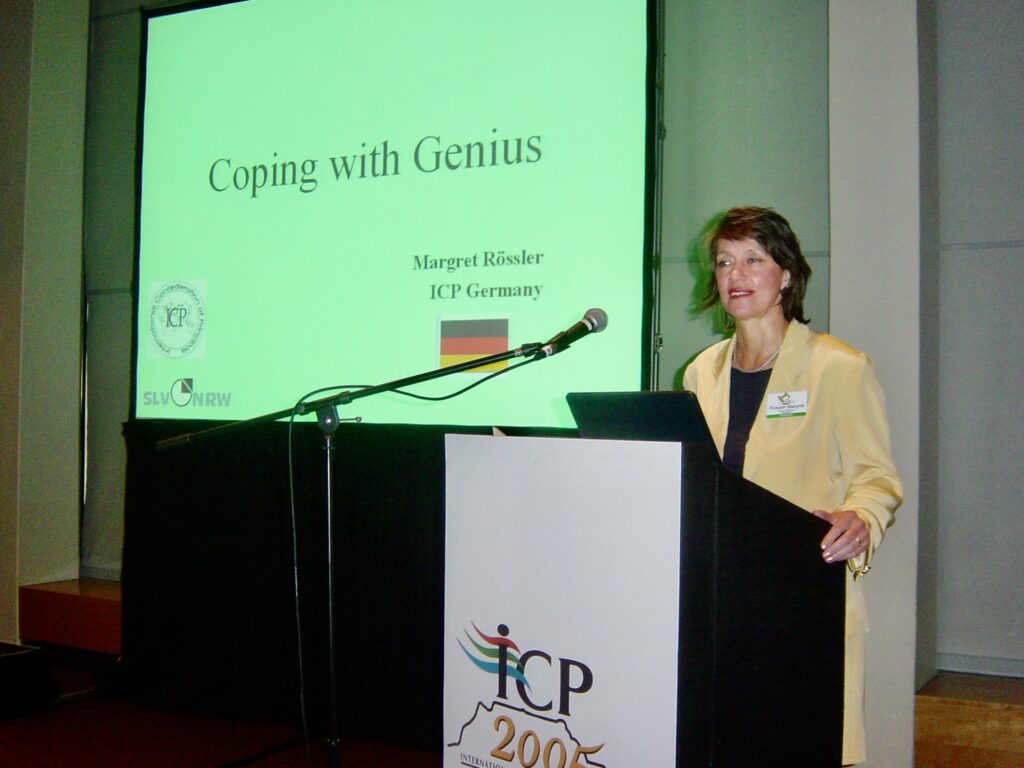
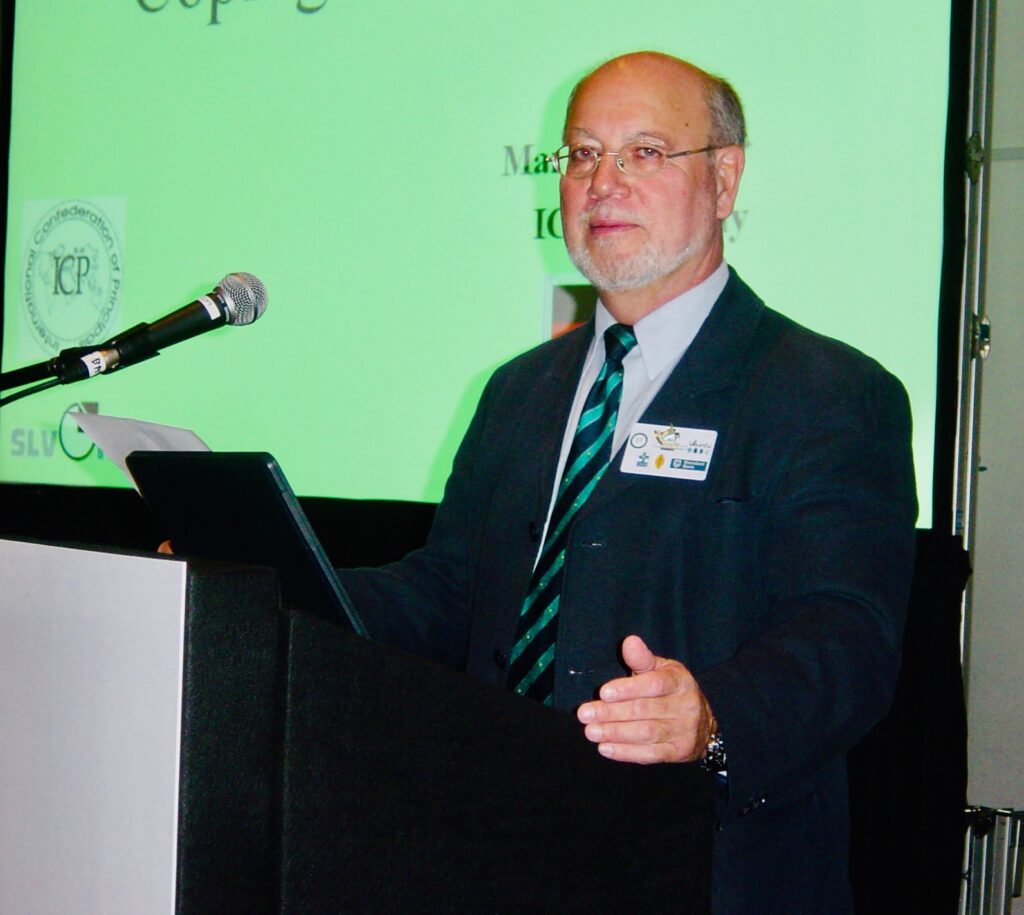
Heute aber ist ein anderer Tag. Der südafrikanische Friedensnobelpreisträger Erzbischof Desmond Tutu spricht zum Abschluss der Convention in seiner besonderen und zugewandten Art zu 1800 Schulleiterinnen und Schulleitern aus 35 Ländern.
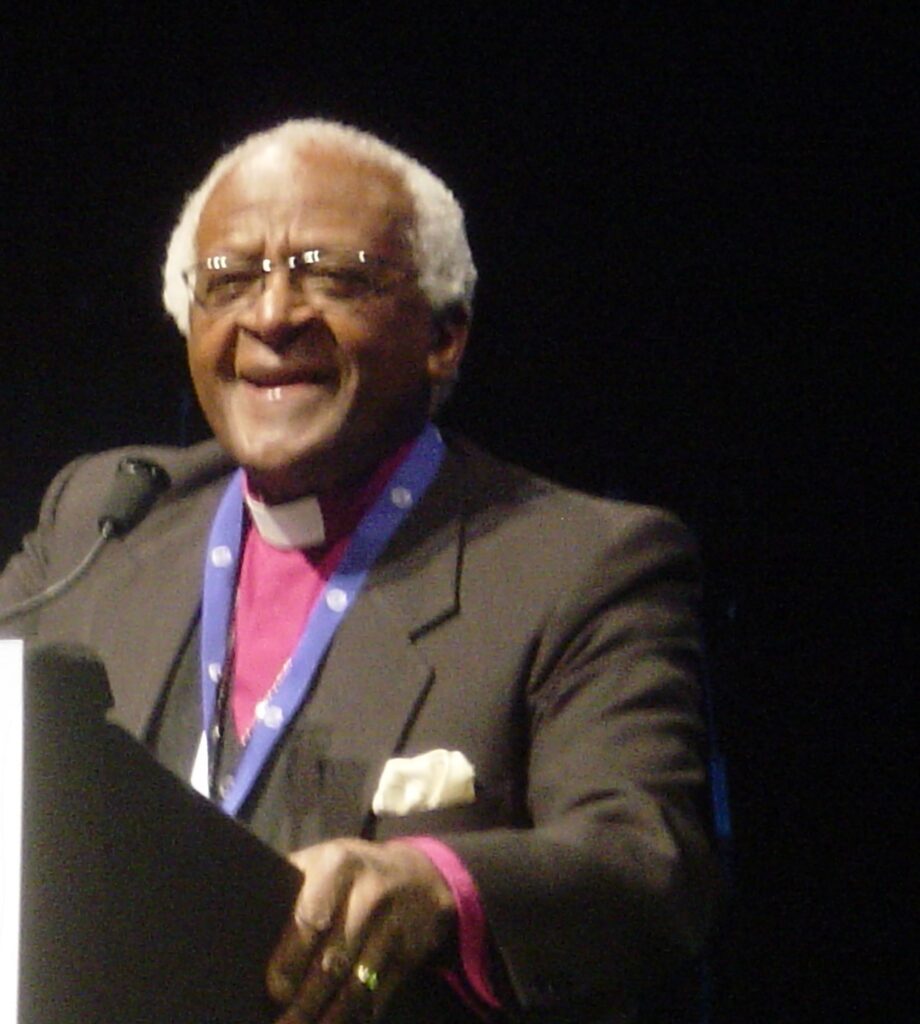
Eine inspirierende und stark emotionale Rede, eine Rede, durch die die meisten von uns das Wort Ubuntu zum ersten Mal hören, eine Rede, die noch lange nachhallen wird. Kein Laut ist zu hören, bis Tutu erwärmend und lächelnd vom Rednerpult absteigt und tänzelnd den Saal verlässt, wir alle ihm in gleicher Weise folgend. Die Stille ist aufgelöst, aber die Wirkung dieser Rede ist allen anzusehen.
Heute, 26 Jahre später, haben die Worte Tutus nichts an Bedeutung und Wegweisung verloren, denn „Ich bin, weil ihr seid“ wird nur von wenigen Menschen realisiert.
Deshalb wird die Rede hier in einer KI-gestützten Rekonstruktion wiedergegeben, da ein wortgetreuer Transkript-Text nicht öffentlich zugänglich ist:
Liebe Schwestern und Brüder, liebe Schulleiterinnen und Schulleiter aus aller Welt,
ich begrüße Sie von ganzem Herzen hier in Kapstadt, in unserer wunderschönen Regenbogennation! Wenn ich in Gesichter wie die Ihren blicke, dann erfüllt mich das mit einer tiefen, unbändigen Hoffnung.
Wissen Sie, man fragt mich oft: „Erzbischof, wie können Sie nach allem, was wir durchgemacht haben – nach den dunklen Jahren der Apartheid, nach all dem Schmerz – immer noch so viel lachen? Warum sind Sie ein ewiger Optimist?“ Und ich antworte dann immer: Ich bin kein Optimist, ich bin ein Mensch der Hoffnung! Optimismus ist eine Frage der Umstände. Hoffnung dagegen gründet auf dem Glauben an das zutiefst Gute im Menschen, und an Gott, der uns zueinander führt.
Sie alle, die Sie Schulen leiten, stehen tagtäglich an der vordersten Front dieser Hoffnung. Sie verwalten keine Gebäude, Sie formen die Seelen unserer Zukunft.
In Afrika haben wir ein wunderbares Konzept, das ich mit Ihnen teilen möchte. Es heißt Ubuntu. Es ist die Essenz unseres Menschseins. Ubuntu besagt: „Ich bin, weil wir sind.“ Ein Mensch ist nur durch andere Menschen ein Mensch. Niemand von uns kommt als fertiges Wesen auf diese Welt. Wir sind für die Gemeinschaft geschaffen, für die Verbundenheit, für die gegenseitige Abhängigkeit.Ich kann nur ich sein, wenn Ihr vollkommen ihr selbst seid. Wir können nur zusammen überleben.
Die Logik dieser Welt will uns oft das Gegenteil einreden. Sie sagt: „Ich bin, weil ich konsumiere. Ich bin, weil ich mächtiger bin als du. Ich bin, weil ich dich ausschließen kann.“ Doch das ist eine Lüge. Wenn ich dich herabwürdige, würdige ich mich selbst herab. Wenn wir unseren Kindern in den Schulen nur beibringen, im Wettbewerb die Ersten zu sein, ohne ihnen beizubringen, wie man füreinander sorgt, dann haben wir als Lehrer und Führer versagt.
Bildung darf kein Werkzeug der Trennung sein. In der Vergangenheit wurde Bildung in diesem Land missbraucht, um Menschen klein zu halten, um Mauern zu errichten. Ihre Aufgabe als Schulleiter im 21. Jahrhundert ist es, diese Mauern einzureißen und Brücken zu bauen. Zeigen Sie den jungen Menschen, dass Vielfalt kein Mangel ist, sondern ein großartiges Geschenk Gottes! Gott ist kein Christ, Gott ist keine Hautfarbe, Gott ist reine Liebe, die uns alle umschließt.
Wenn Sie nach dieser Konferenz in Ihre Heimatländer zurückkehren, nehmen Sie ein Stück dieses afrikanischen Feuers mit. Seien Sie sanftmütig zu den Schwachen, aber seien Sie mutig und laut gegen die Ungerechtigkeit. Sagen Sie Ihren Schülern jeden Tag: „Du bist kostbar. Du bist einzigartig. Du wirst geliebt.“
Vielen Dank, dass Sie hier sind. Gott segne Sie, Gott segne Ihre Schulen und Gott segne unsere gemeinsame Welt.“

Es waren Tage der Begegnung und des Austausches, vor allem mit unseren afrikanischen Kolleginnen und Kollegen. Es war die Freude an der Buntheit , der Aufgeschlossenheit, des Lernens und der gemeinsamen Zeit während der Sitzungen und vor allem persönlich- informell am Abend. Wir sahen SchuleiterInnen, die Materialien sammelten für ihre Schülerinnen, für Schulen ohne Räume mit Unterricht im Schutz der ausladenden Schirmakazien, nicht jammernd, sondern die Chance nutzend dieser von der neuen südafrikanischen Regierung durch Einladungen bis in die fernsten Winkel ihres Landes ermöglichten Teilnahme als regionale Vertreter, die bei Rückkehr nach Hause sich verpflichtet hatten und dies leidenschaftlich auch selbst wollten, in ihrer Region die Erfahrungen und Ergebnisse den zu Hause verbliebenen KollegInnen zu vermitteln.

Zu schell verging die Zeit – wohl alle wären gerne in diesem Rahmen noch länger geblieben.
Wir hatten das Glück, dass diese Covention zu Beginn unserer Sommerferien stattfand und die Konferenz -Organisation ein Reisebüro für die Konterenzteilnehmer engagiert hatte, um uns die Möglichkeit zu bieten anschließend auch noch die Kultur und das Land in seiner Schönheit zu erleben. Eine besondere Tour, extra für die Teilnehmenden der Convention ausgearbeitet.
Von Capetown fliegen wir in den Südosten nach Durban in der Provinz Kwazulu-Natal für einen Tag am Meer der Sonnenküste. Vor uns die Tage inmitten der wunderschönen Tierwelt des Südens.
Thula Thula (Peace and Tranquillity), das älteste private Wildreservat in Zulu (KwaZulu-Natal) 2 Stunden östlich von Durban, gegründet von dem berühmten „Elefantenflüsterer „und Naturschützer Lawrence Anthony.
Weiter ging es durch Swasiland, seit 2018 in Eswatini umbenannt, die letzte absolute Monarchie in Afrika. Ein kleines Land, umgeben von Südafrika, in dem die Königsclique das Volk totalitär unterdrückt und hemmungslos die Ressourcen des Landes verprasst. Die Bevölkerung lebt in krasser Armut ohne medizinische Versorgung und Bildungsmöglichkeiten. Die Opposition wird ermordet oder flüchtet. Man sieht bei der Durchfahrt die extreme Einfachheit der Lebensweise – obwohl im Royal Sai Sun Hotel, unserer einzigen Übernachtung dort, wo mit viel indigenem Dekor und Folklore versucht wird einen anderen Eindruck zu vermitteln.
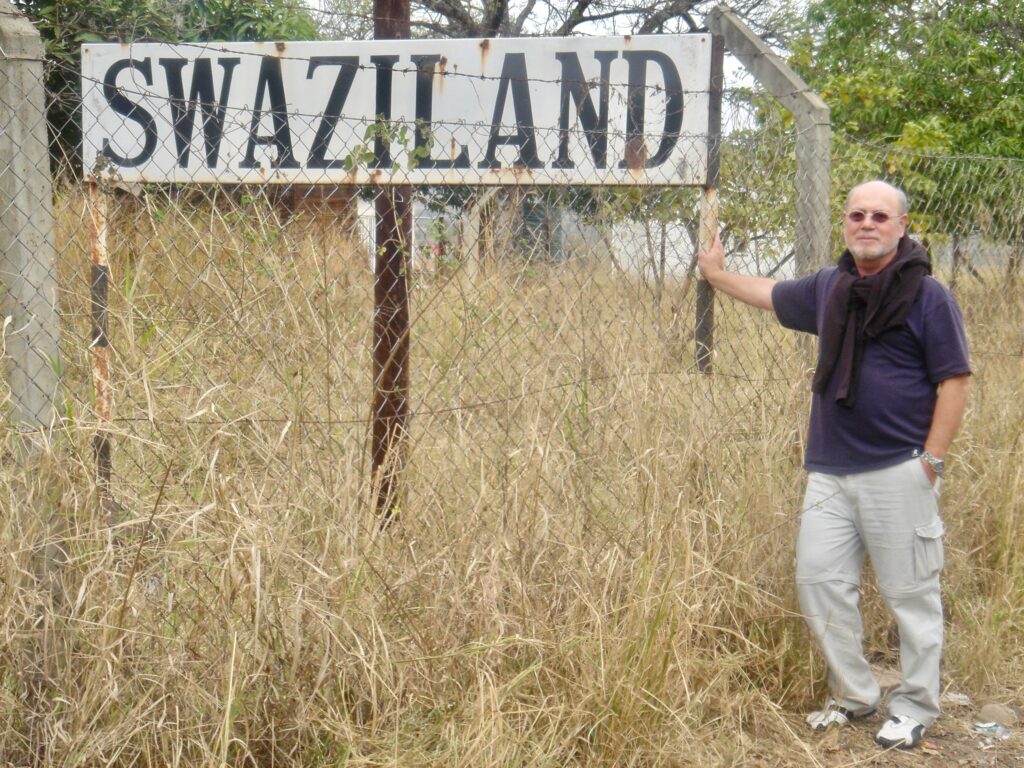
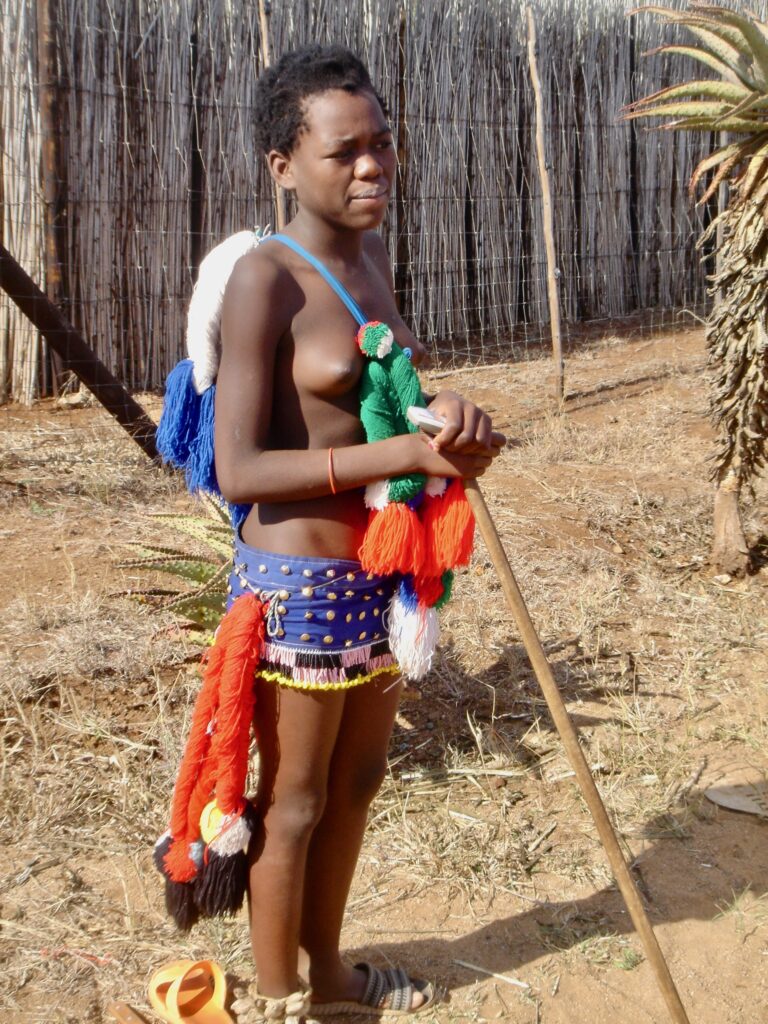
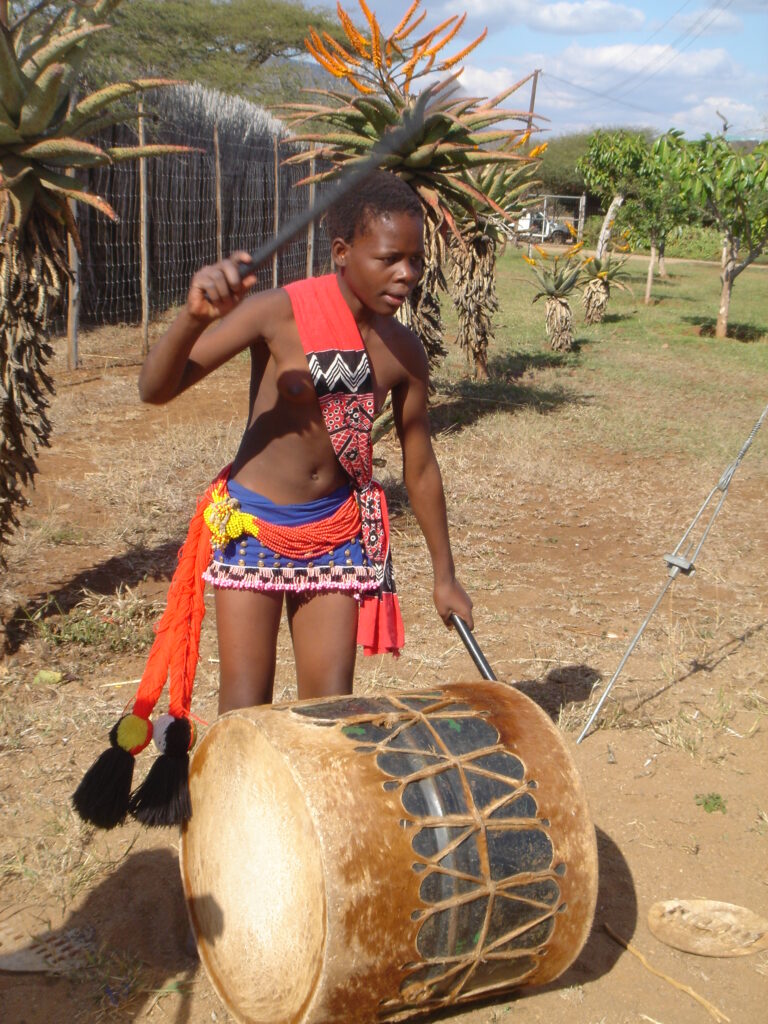
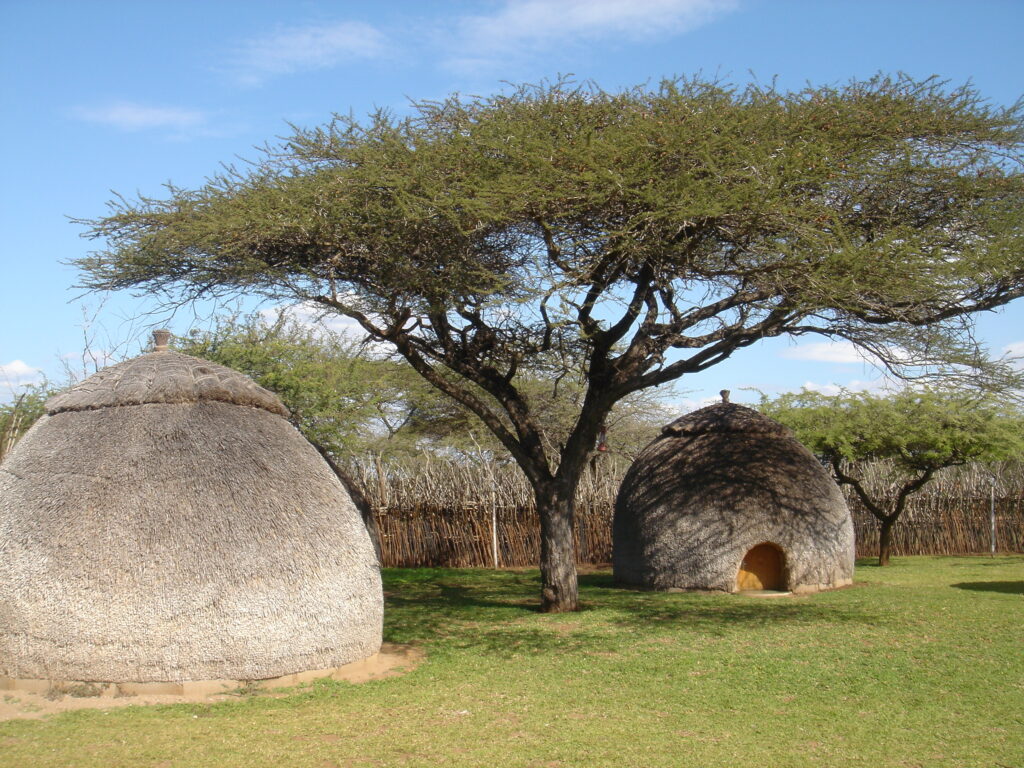
Dorf in Swasiland
Die folgenden Erlebnisse, auf Exkursionen im Krüger Nationalpark die „Big Five“ in freier Wildbahn zu erleben, bestimmen mehr und mehr unsere Gefühle und Stimmung. Die erfüllte Erwartung, diese Big five und viele andere exotischenTiere auf game Safaris aus offenen Landrovern nahebei zu sehen, in dieser Natur vom Morgengrauen und Sonnenaufgang bis zur Dämmerung und einsetzenden Dunkelheit zu sein und auch noch der nächtlichen Kommunikation der Tierwelt zu lauschen. On Top unvergessen wird der Moment bleiben, als beim Überqueren einer Anhöhe der Blick sich öffnet auf einen gedeckten Tisch im Sand für einen überraschenden “ True Africa sipping Sundowner“.
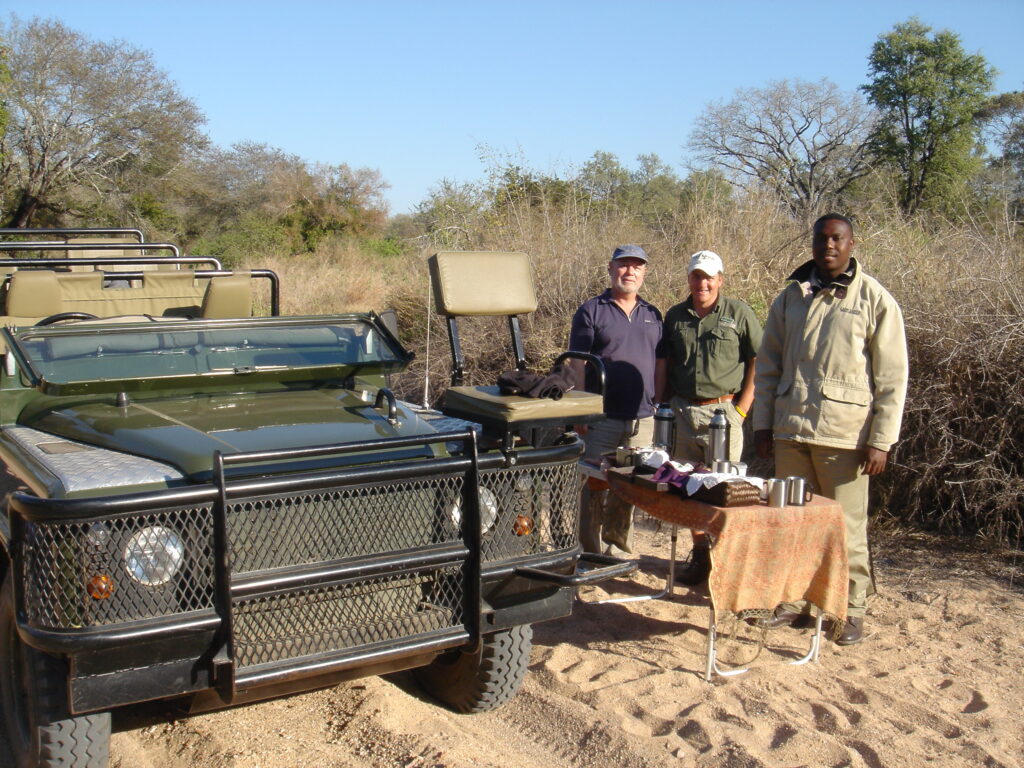
Sundowner
Am selben Abend sitzen wir im Dunkeln in unserer Lodge und beobachten die Löwen, die um uns herum durch die Nacht streifen. Es ist die Lions Sands River Lodge am Sabie River, Luxus Lodge. Wir haben nie erfahren, warum man uns hier upgegradet hat. Der Bus stoppte und setzte uns beide hier ab und nicht, wie die Gruppe, im Hotel am Flussufer.
Auf einem Plateau mit Blick auf den Fluss, zu dem ununterbrochen Herden von Tieren vor unseren Augen zur Tränke kommen, wie in einer Loge sitzen wir hier in einem kleinen Pool zwischen zwei Flügeln des Hauses. Zwei Tage lang genießen wir dieses Ambiente. Tagsüber können wir uns frei bewegen, abends, wenn wir zum Dinner ins Haupthaus wollen, müssen wir anrufen und werden von einem bewaffneten Wildhüter abgeholt, um nicht Opfer der Löwen zu werden.
Am letzten Nachmittag passiert uns dann noch ein kleines Malheur. Wir hatten in einem der Räume das Fenster aus Versehen offen gelassen, und als wir vom Fluss zurück kamen, sahen wir die Bescherung. Die Affen der Umgebung waren eingedrungen und hatten alles Essbare geklaut und etwas unzivilisiert eine große und nicht mehr ganz saubere Umgebung hinterlassen. Auch das konnte unser Glück dieser Tage in an diesem Ort nicht schmälern.
Und hier endet der erste Teil unserer Ausflüge.Wir fliegen am nächsten Tag vom Airport Mala Mala zurück nach Johannesburg, hinein in ein Programm, das uns auf die Konferenz zurückblicken lässt. Die Ubuntu Tour bringt uns zu einem Tagesausflug nach Soweto , dem von der Apartheid für die schwarze Bevölkerung eingerichteten Stadtteil von Johannesburg.
Hier treffen wir unsere Freundin Irmgard, die sich dort in einem Projekt engagierte und uns den Rest der Tour begleiten wird.
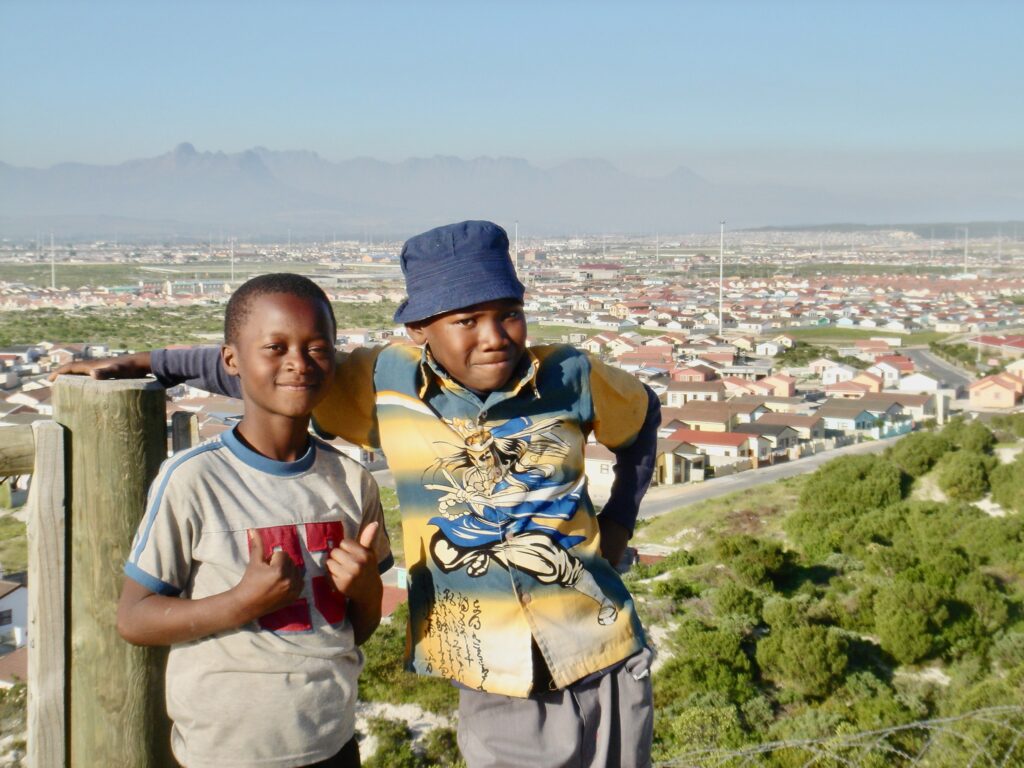
Blick über Soweto
In Soweto wurde 1976 der historische Schüleraufstand gegen die Einführung des Afrikaans als Unterrichtssprache brutal niedergeschlagen. Er gilt bis heute als Symbol des Widerstandes gegen die Apartheid. Ubuntu zeigt eine der rassistischen Trennung diametral entgegengesetzte Lebensphilosophie. Und die Ubuntu Tour hat zum Mittelpunkt: das Miteinander, die Gemeinschaft, und so, ohne Sinngebung, soll man Soweto nicht besichtigen, sondern soll es erleben. Ein Höhepunkt neben dem Besuch einer Schule und den vielen kleinen Gemeinschafts -Werkstätten ist das Haus Nelson Mandelas.
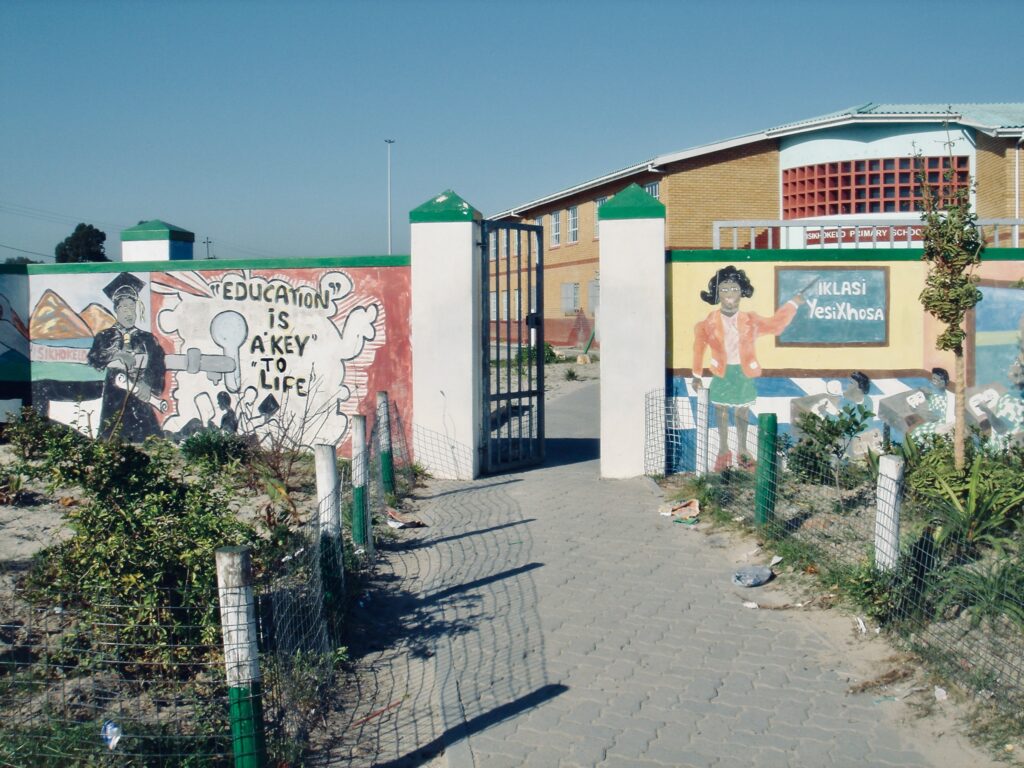
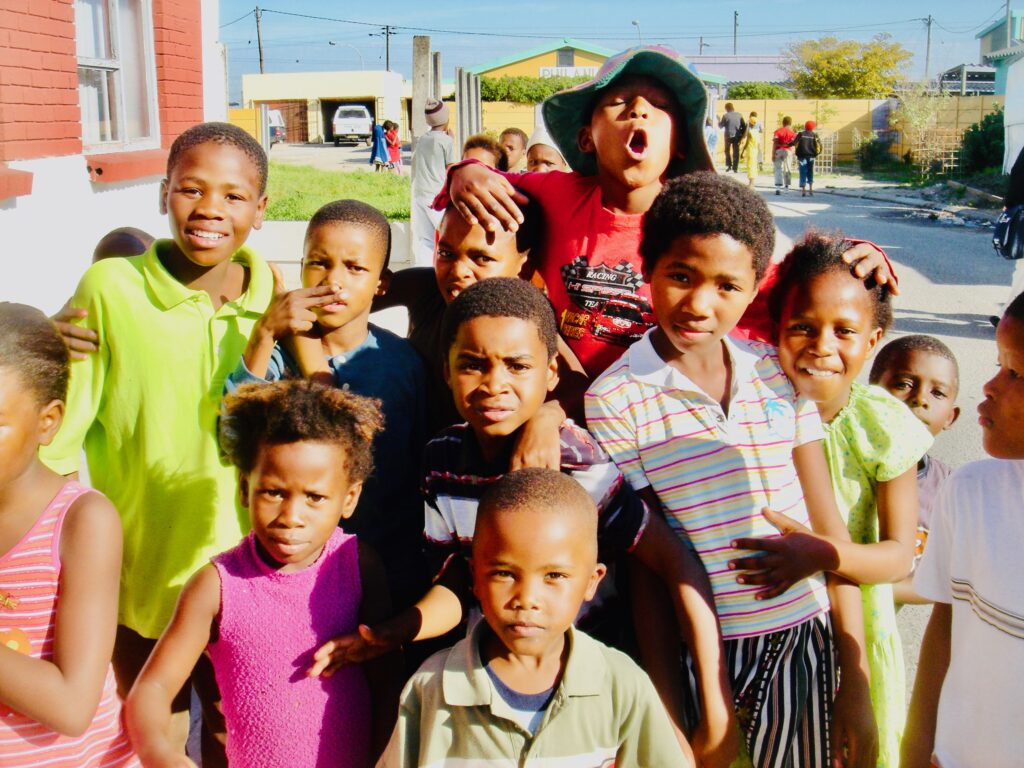
Und mit dieser letzten Anknüpfung an den Kongress und dem Beispiel für das Zusammenleben gemäß Ubuntu fliegen wir nach Botswana am Chobe River zur Chobe River Marina Lodge Villa, zum Beginn des zweiten Teils unserer Rundreise
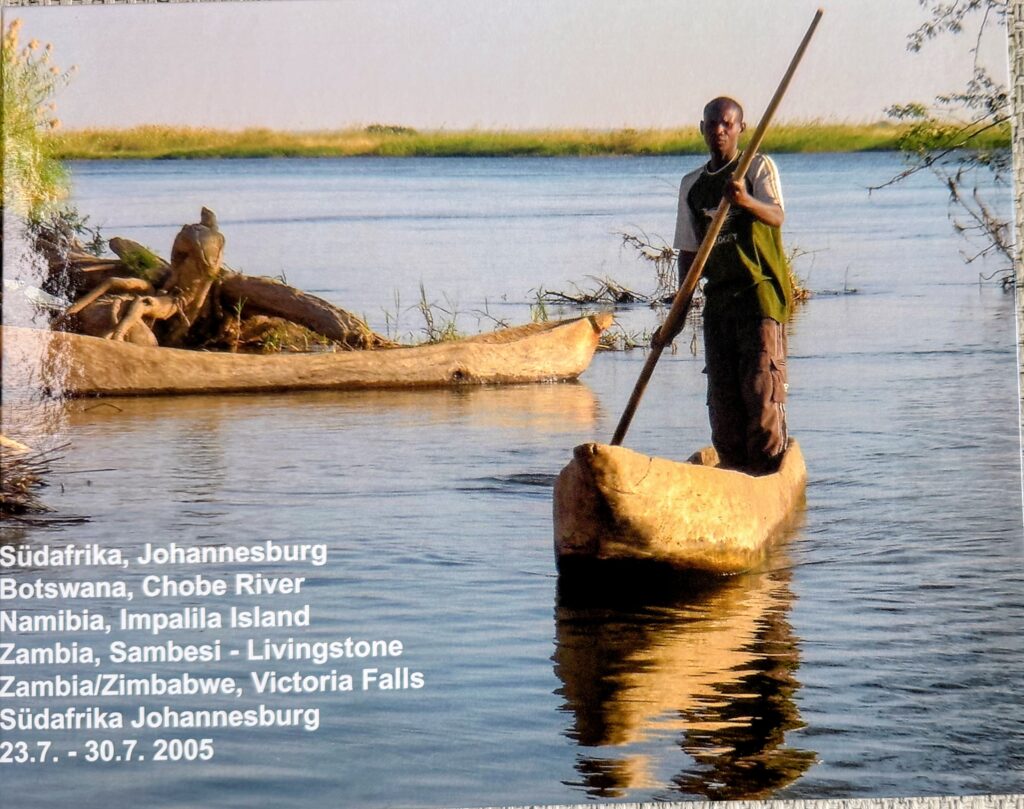
2. Rundreise
Nilpferd Angriff
Traumhaftes Wetter. Wir fahren mit einem kleinen Motorboot langsam am Ufer des Chobe Rivers entlang. Wie in einem Film treiben wir vorbei an Elefantenherden, die mit ihren jungen, geschützt in der Mitte der Herde, zum Wasser drängen, um den Durst zu löschen. Die Bilder wechseln mit immer anderen Tieren der Region. Man könnte stundenlang so fahren und diese Szene genießen. Doch dann kommt plötzlich Unruhe auf. In gebührender Entfernung sehen wir eine Gruppe Nilpferde mit ihren Jungen im Wasser, die wir vom Boot aus wunderbar beobachten können. Bis zu dem Moment, in dem sich wohl eine der Nilpferdmütter bedroht fühlte, sich zu uns umdrehte und anfing zu laufen. Nilpferde sind schnell und laufen im Wasser über dem Boden. Unser Führer zog an dem Starterkabel um den Motor anzustellen. Beim ersten Mal klappte es nicht, aber dann sprang der Motor an und wir schafften es gerade noch wegzukommen. Nilpferde sind Vegetarier, aber wenn sie uns riechen und bedroht fühlen, hat man keine Chance, sie zerfetzen ihr Ziel um ihren Nachwuchs zu schützen. Die Angst wich, Entspannung setzte ein und selbst unserem Führer sah man an, das dies eine ernste Situation gewesen war.
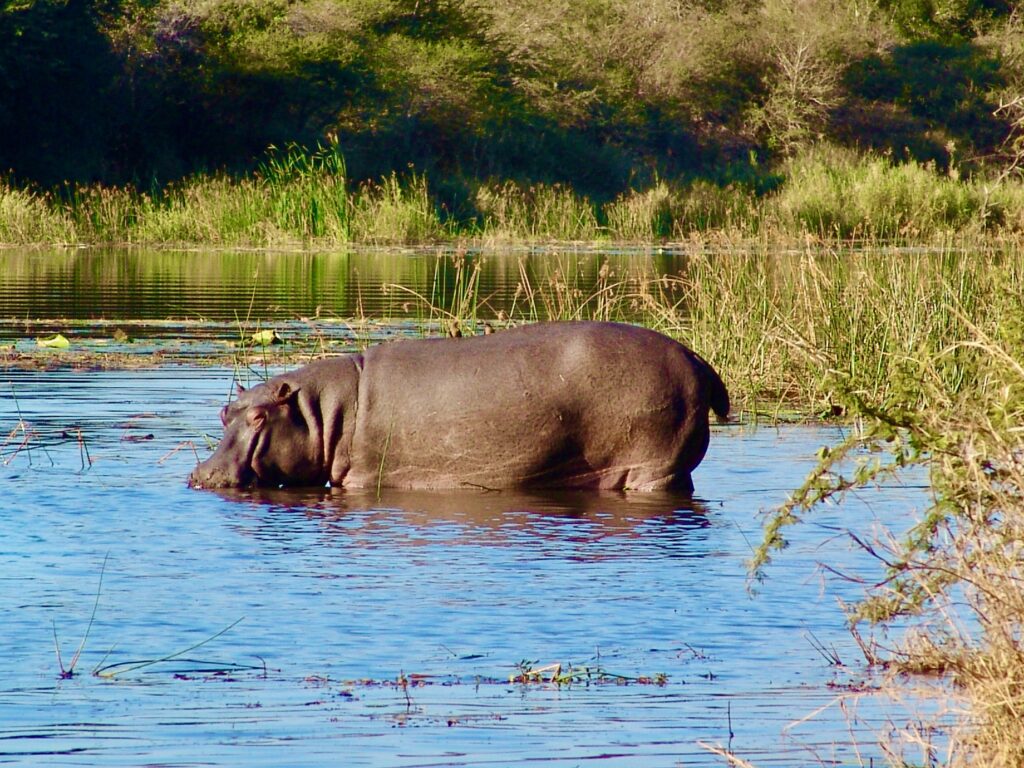
Nillpferd Attacke
Guter südafrikanischer Wein und ein hervorragendes afrikanisches Dinner brachten alles wieder ins Lot.
Zwei Flüsse, vier Länder am Caprivi-Zipfel : Zambesi und Chobe River – Namibia, Zambia, Zimbabwe und Botswana. Mit dem Boot fahren wir zum Impalila Island.
Der Caprivi Strip entstand durch koloniale Grenzvereinbarungen des 19. Jahrhunderts. Es war die Zeit der Aufteilung Afrikas und dabei die jeweiligen Machtsphären der Kolonialnationen zu sichern. Sansibar wurde gegen Helgoland eingetauscht. England suchte den durchgehenden britischen Weg “ from Cape to Cairo“, und Deutschland eine durchgehende Verbindung von Deutschsüdwestafrika über den Zambesi-Fluss zu Deutschostafrika. So entstand ein 500 km langer Ausläufer Namibias nach Osten. Verhandelt am grünen Tisch in Europa vom Reichskanzler Leo von Caprivi in geographischer Unkenntnis, dass diesenTraum eines direkten Wasserweges die Victoria Falls verhinderten..
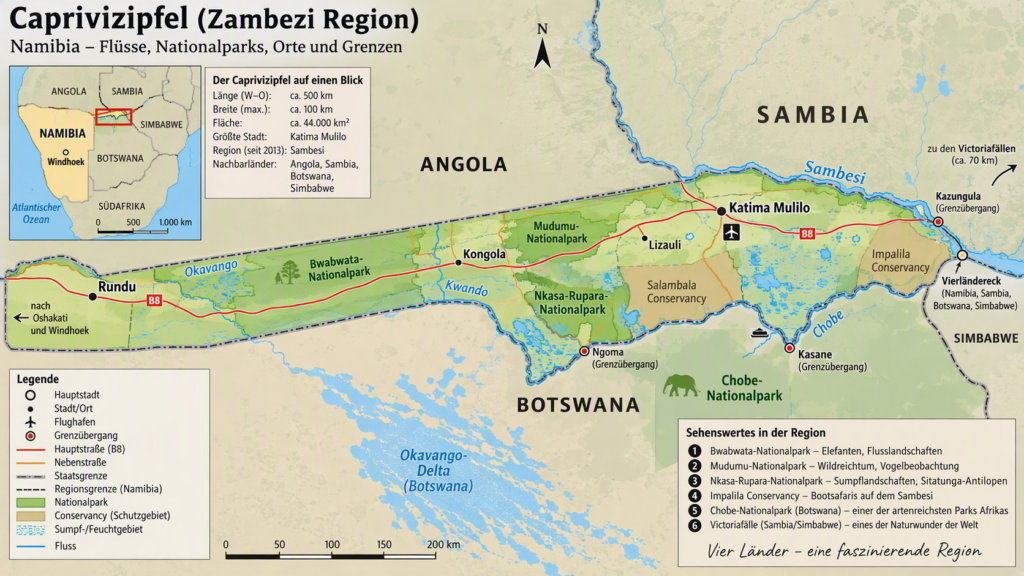
Per Boot und nach neuer Passkontrolle erreichten wir dann die Impalila Island Lodge – 8 Chalets zwischen 2 riesigen 2000 Jahre alten Baobab Bäumen, eine einzigartige Lage zwischen den Flüssen Chobe und Zambesi im nördlichen Teil des Caprivi Zipfels.

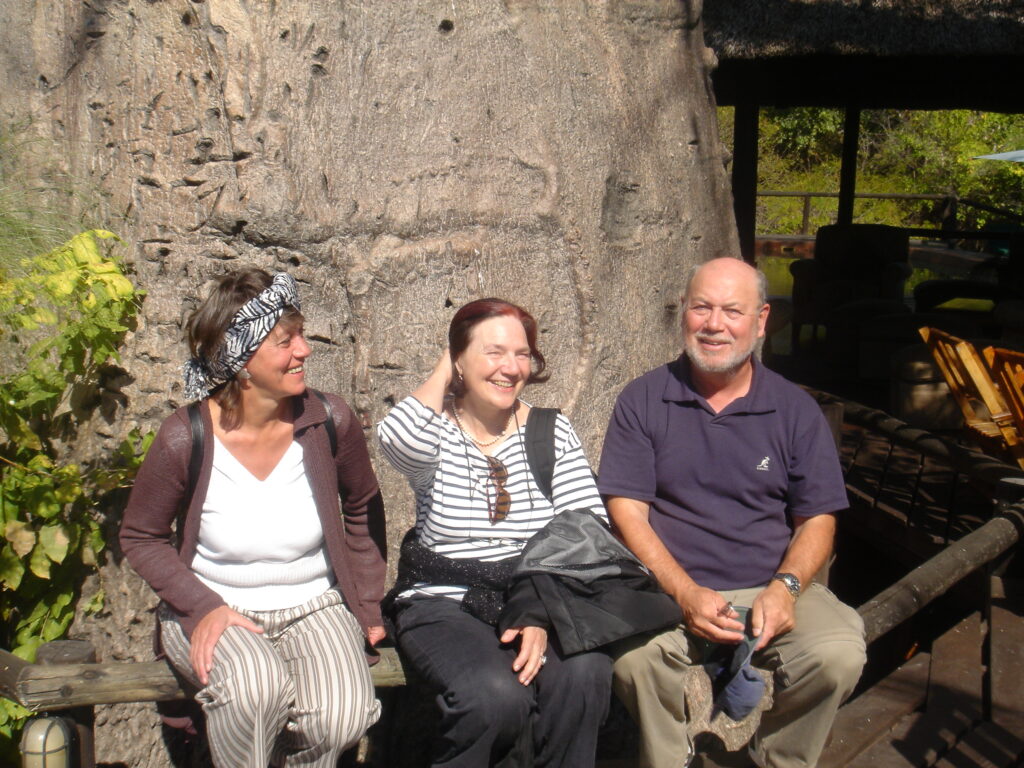
Welch ein Glück und welche Freude, zwei Tage auf dieser Insel zu verbringen, bei abendlichen Sunset Bootstouren auf dem Zambezi, und tagsüber diese einzigartige Natur mit den Baobab-Bäumen zu erleben.
Es war nicht leicht, von dort abzureisen, dem einzigen Ort der Welt, wo sich vier Länder treffen – aber schon mit der Erwartung eines weiteren Naturspektakels, mit einem Boot auf dem Zambezi in 40 Minuten (80 km) zu den Victoria Falls zu fahren. Drei Tage mit dem Hintergrundgeräsch der Falls verbringen wir im Royal Linsten Hotel in Zambia relaxend und immer wieder zu den Falls zu fahren auf zambischer und der Zimbabwe-Seite. Viele Regenbögen gleichzeitig über den Victoria Falls zu erleben, da steht man still ergriffen in dieser Natur.
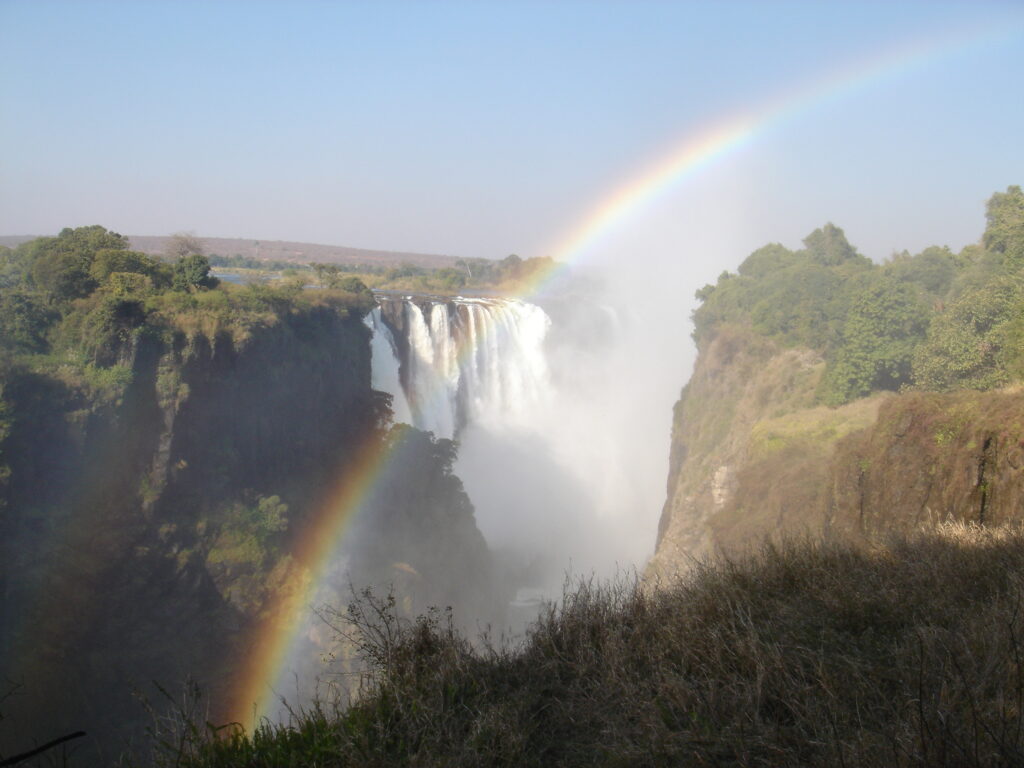
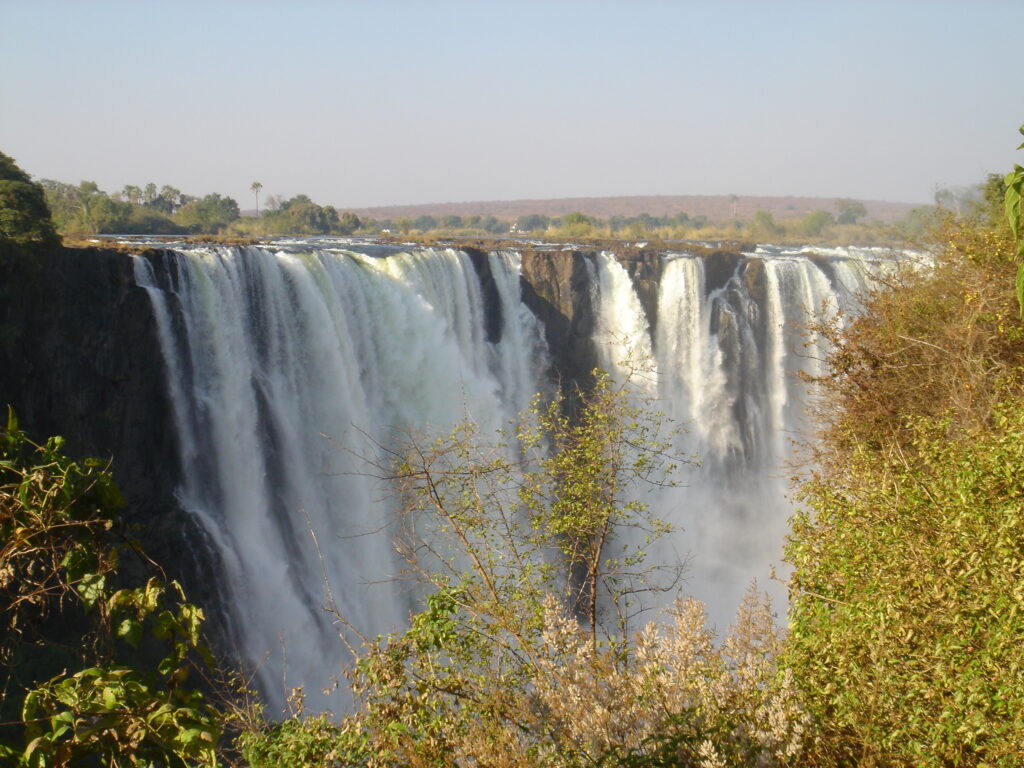
Victoria Falls Zimbabwe
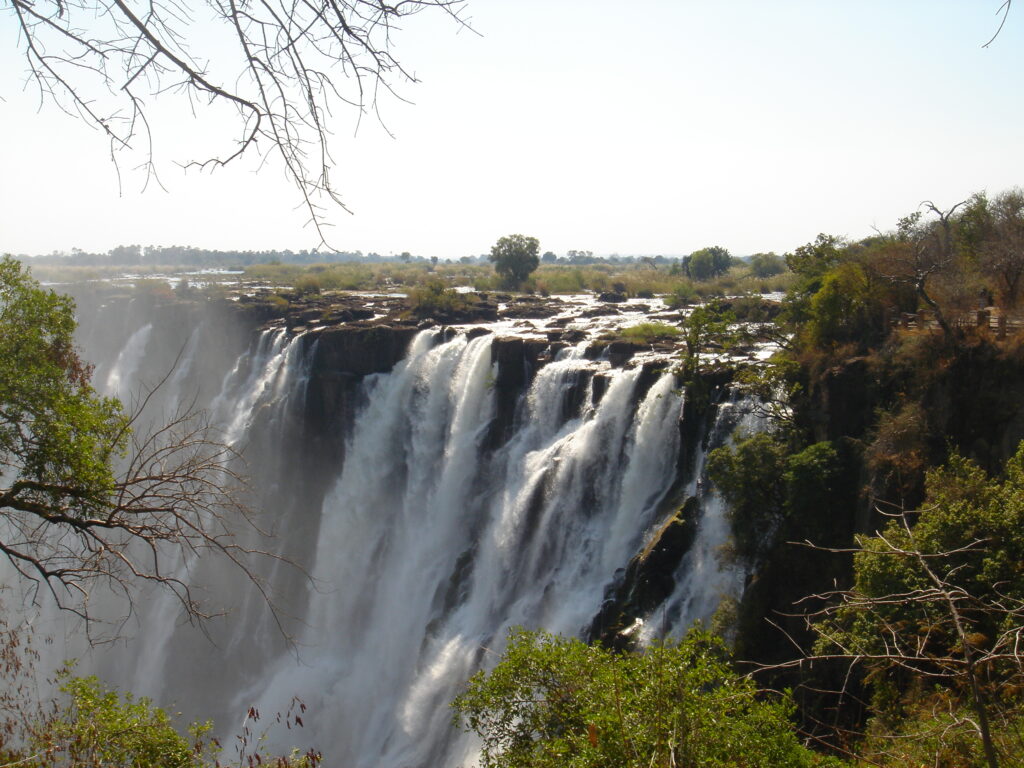
Victoria Falls Zambia
Es klingt nach in uns, als wir uns aus dieser überwältigenden Natur im Flugzeug zurück nach Johannisburg befinden. Ein kurzer Stopp, und ein weiterer Flug zu der berühmten Garden Route entlang der Küste Südafrikas nach George als letztem Highlight für uns in Südafrika. George liegt auf halber Strecke nach Gqeberha (Former Port Elizabeth) zum Petula Resort auf einem 10 km großen Plateau zwischen den Outeniqua Mountains und der Knysna Lagos am Indischen Ozean.
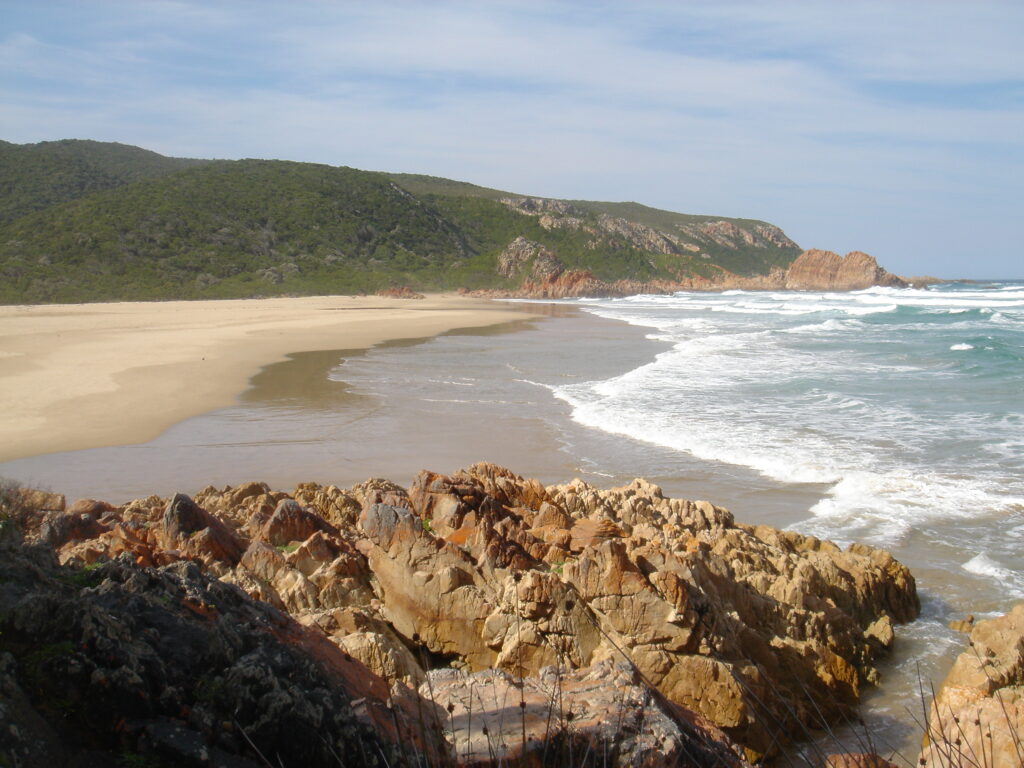
Den letzten Tag in Capetown vor unserem Weiterflug nach Windhoek nutzen wir für einen Besuch bei Susan Gie, die für ein Auslandsjahr als Lehrerin in meiner Schule in Moers gewesen war.
Und damit nicht genug, konnten wir unseren Rückflug mit Air Namibia in Windhoek unterbrechen um Jahel dort zu treffen. Auch ein Auslandsjahr, erst im Kindergarten der deutschen Schule. Bei einer kleinen Theatervorführung waren auch einheimische Kinder auf de Bühne.! Ein deutscher Farmer, der in ihrer Nähe stand sagte „wer hat denn die Hunde auf die Bühne gelassen?“ Dies war für sie der letzte Anstoss die Schule und den Kindergarten zu verlassen und die Möglichkeit als angehende Journalistin zu nutzen, und zur“ Allgemeinen Zeitung,“ der ältesten und einzigen deutschsprachigen Zeitung in Namibia zu wechseln.
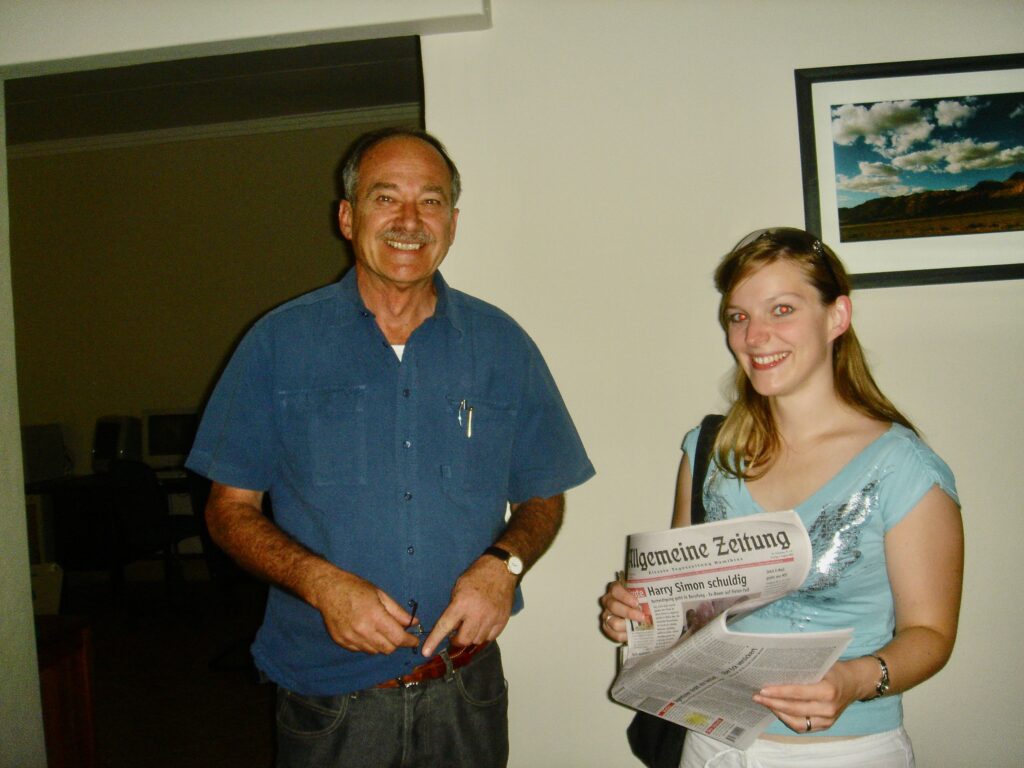
Jahel mit dem Chefredakteur der „Allgemeinen Zeitung“ in Windhoek
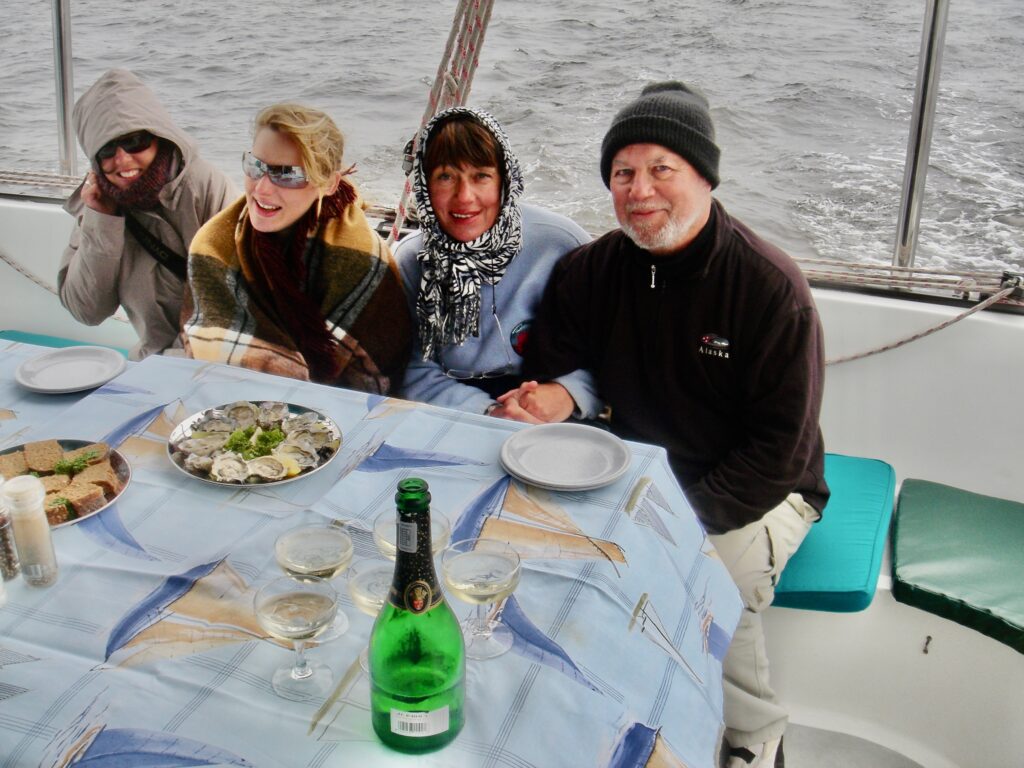
Wir treffen sie und ihre Freundin, besichtigen Windhuk und feiern dann in der Sundowner Lodge bei Windhuk Margas Geburtstag mit einer Grillparty mit der Spezialität des Hauses, gegrillten Austern, die am selben Tag von der Küste aus der kalten Belugaströmung hier hingebracht waren. EineDelikatesse in diesem Ambiente.
Die nächsten Tage nutzen wir um einige besondere Orte in Namibia zu entdecken.
Unser erster Stop ist die Leopard Lodge, mit der Chance ganz nah an diese schönen Tiere heranzukommen.
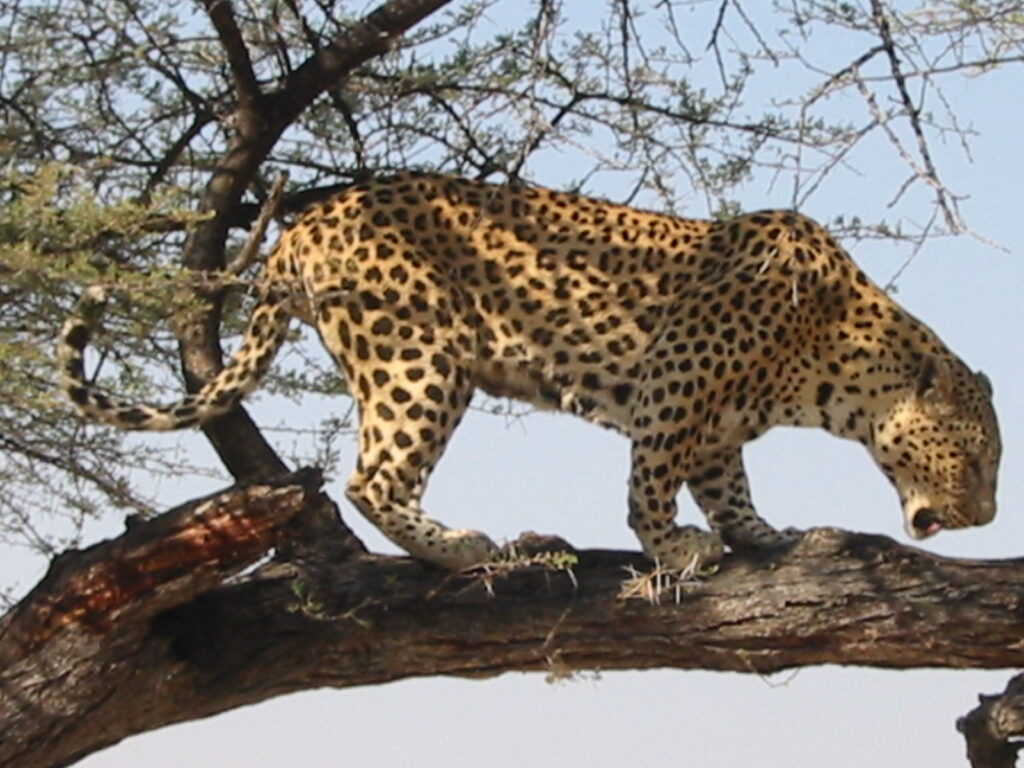
Leopard im Gelände der Lodge
360 km auf der B1 sind es von Windhuk über Okahandja nach Swakopmund.
Okahanja ist die Garden City mit einem großen Schnitzmarkt am Okahandja River, dem Zusammenfluss der beiden Flüsse Okahango und Okamita. Hier im Herero Land steht auch das Herero Heroes Memorial mit dem Grab des ehemaligen Oberhäuptlings der Herero, Samuel Maharero , die in Folge des Herero- Aufstandes am 12. Januar 1904 von der deutschen Schutzmacht in der Schlacht am Waterberg im August 1904 fast vollständig vernichtet wurden. Der damalige Völkermord an Hereros und Nama (Historiker nennen ihn den ersten Genozid des 20. Jahrhunderts) wurde durch den Vernichtungsbefehl des Oberbefehlshabers der Kaiserlichen Schutztruppe General Lothar von Trotta vollendet, durch den die Überlebenden ohne Wasser und Verpflegung in die Omaheke-Wüste getrieben wurden. Zehntausende Herero starben dort, da auch die bekannten Wasserstellen abgeriegelt wurden. Überlebende durften sich nicht mehr in Deutsch -Südwest aufhalten, sondern wurden beim Versuch der Rückkehr erschossen.
Wir fahren weiter durch die sandige Ebene in verschiedensten Brauntönen, vorbei an einzelnen entlegenen Farmen . Eine gerade Strasse. Ab und zu kommen uns Autos entgegen. Und dann passiert es, was fast zu unserem Ende geführt hätte. Auf der falschen Seite kommt mit großer Geschwindigkeit ein riesiger Lastwagen auf uns zu gerast, und nur Jahels Reaktionschnelligkeit und die Tatsache, dass uns beim Ausweichen nichts im Wege stand, retteten unser Leben. Der Fahrer des Lastwagens fuhr einfach weiter.
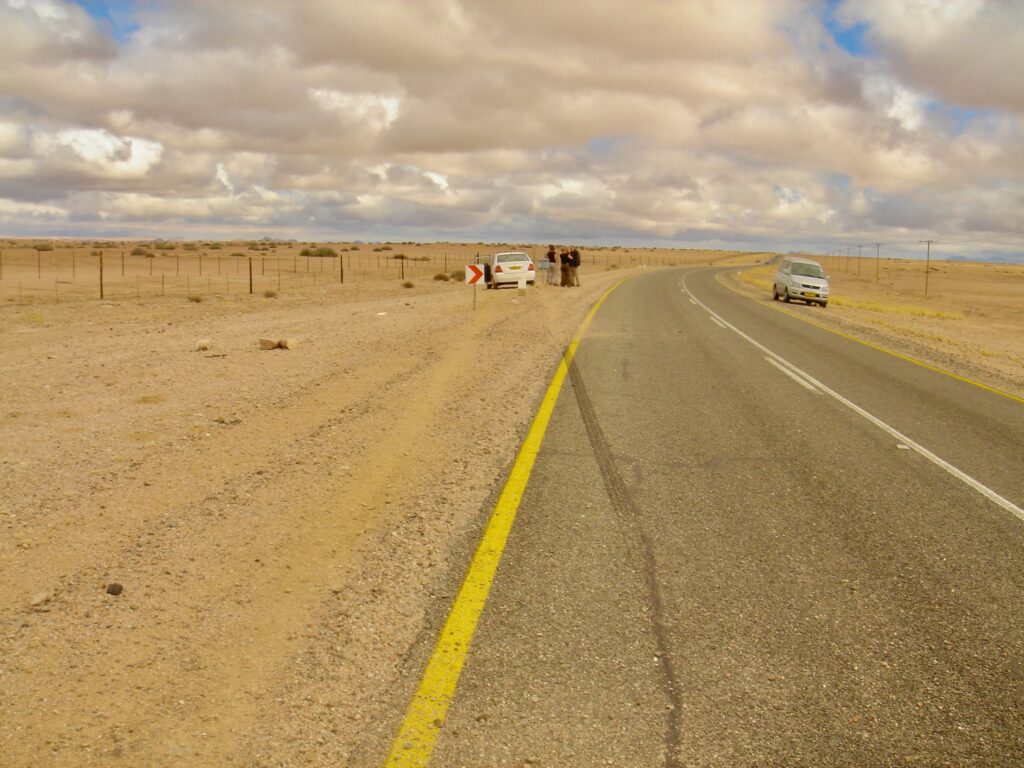
Der Unfallort auf der B1
Mit dem leicht beschädigten Wagen erreichen wir Swakopmund, eine kleine Stadt, von Wüste umgeben, wo die Namib am Atlantik endet, wo der kalte Benguelastrom durch die hohen Temperaturunterschiede diese Küste morgens lange im Nebel verhüllt, wo, wenn die Sonne endlich den Nebel vertreibt, die Reste gesunkener Schiffe erscheinen und in der Wüste die Erdmännchen ihre Sandlöcher verlassen und sich stehend in der Sonne aufwärmen. Und die Wüste lebt, Pflanzungen erkämpfen sich ihren Lebensraum, besonders die außergewöhnlichen Welwitchias Mirabilis, Cape Cross mit den riesigen Kap-Pelzrobbenkolonien, Sousousvleij die Dünen und etwas weiter entfernt die Spitzkoppe, ein 1728 Meter steil sich aus der Wüste erhebender Granitfelsen, das „Matterhorn Namibias“ mit uralten Felszeichnungen.
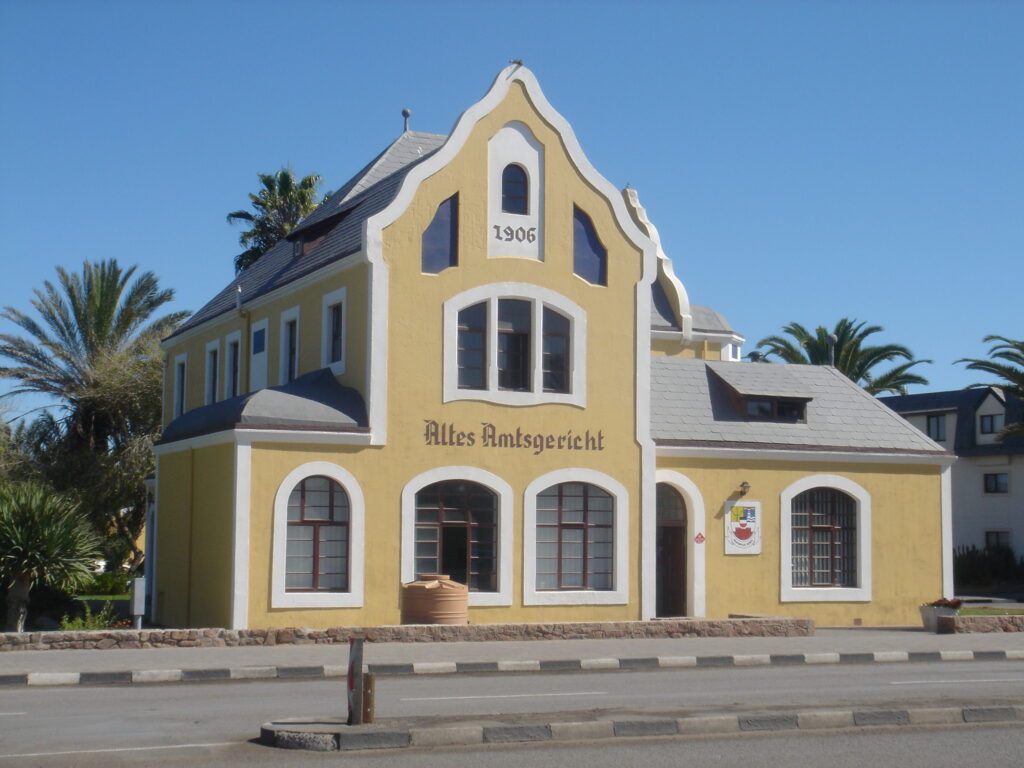
Swakopmund ist der ideale Ausgangspunkt für unsere Touren und das Erlebnis deutscher Kolonialvergangenheit. Hier wie auch in anderen Orten der Küste zeigt diese sich durch deutsche Namen für Hotels, Restaurants, Geschäfte und die Kolonialbauten.

Cape Cross mit den riesigen Kap-Pelzrobbenkolonien
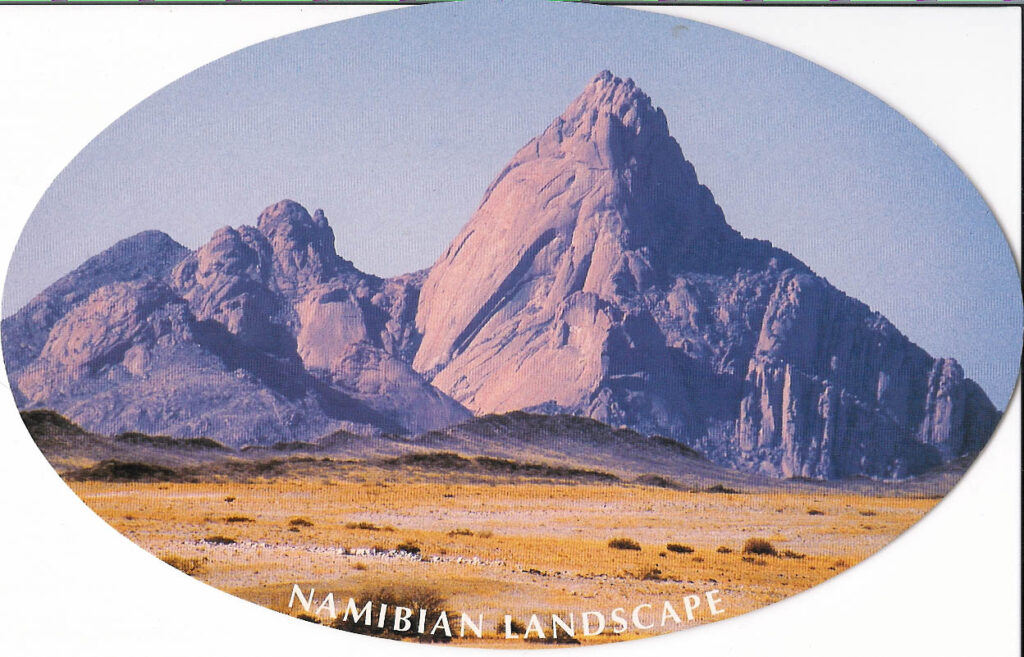
Spitzkoppe – das „Matterhorn Namibias“
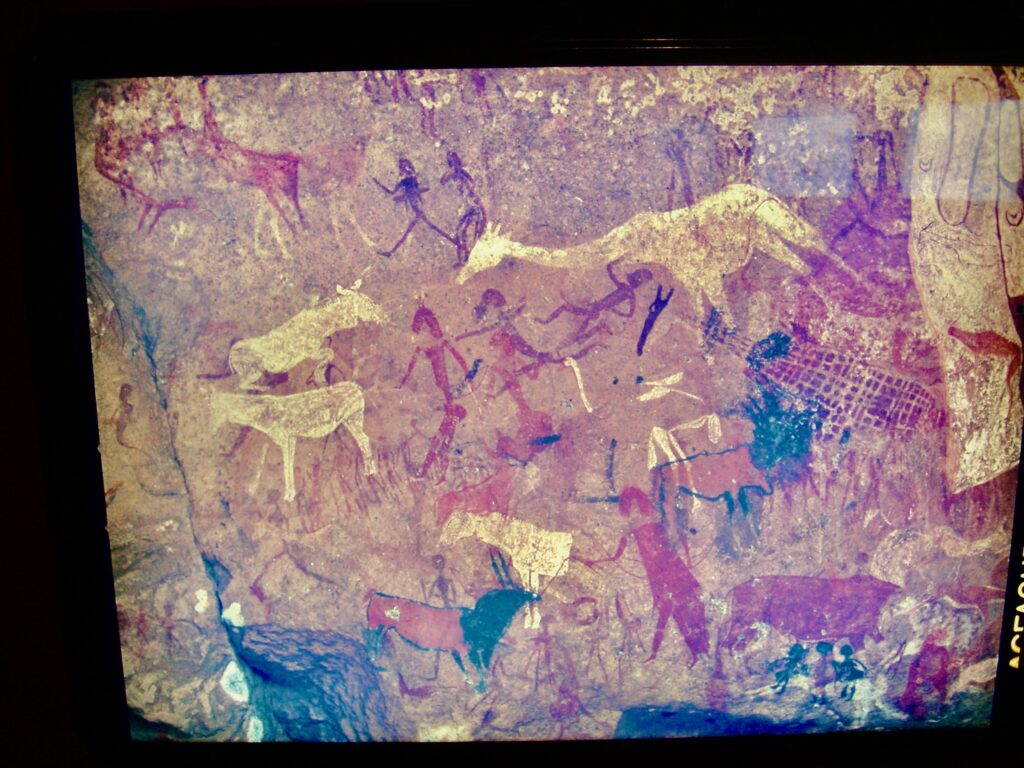
Felszeichnungen an der Spitzkoppe.
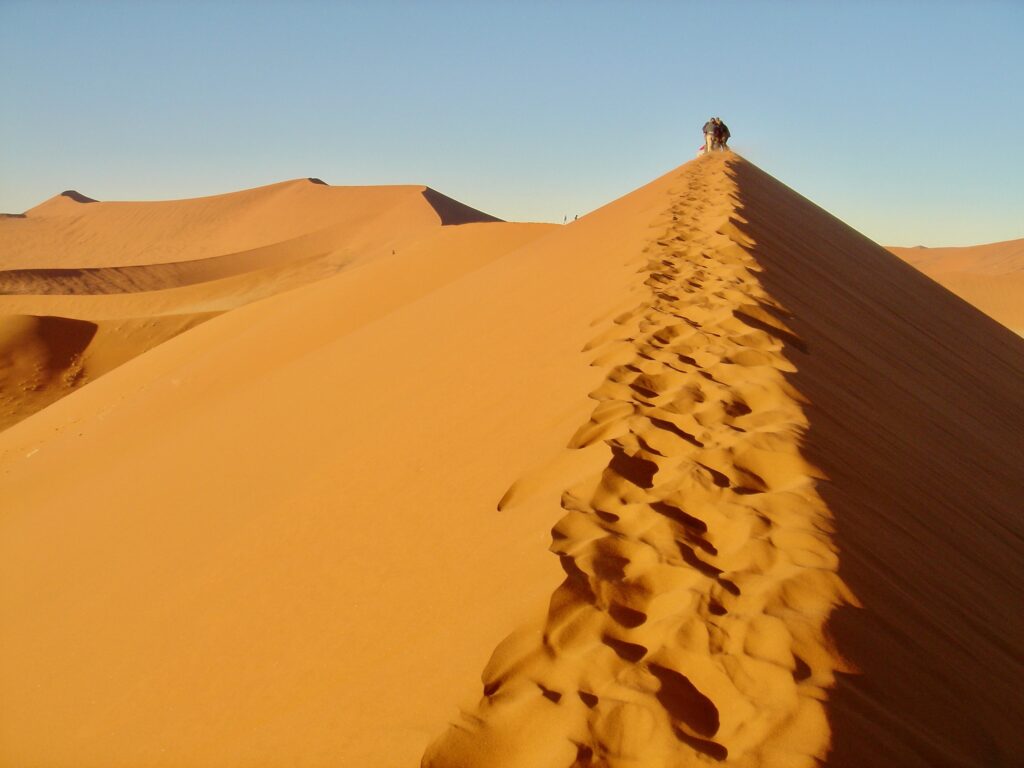
Sousousvleij -Dünen
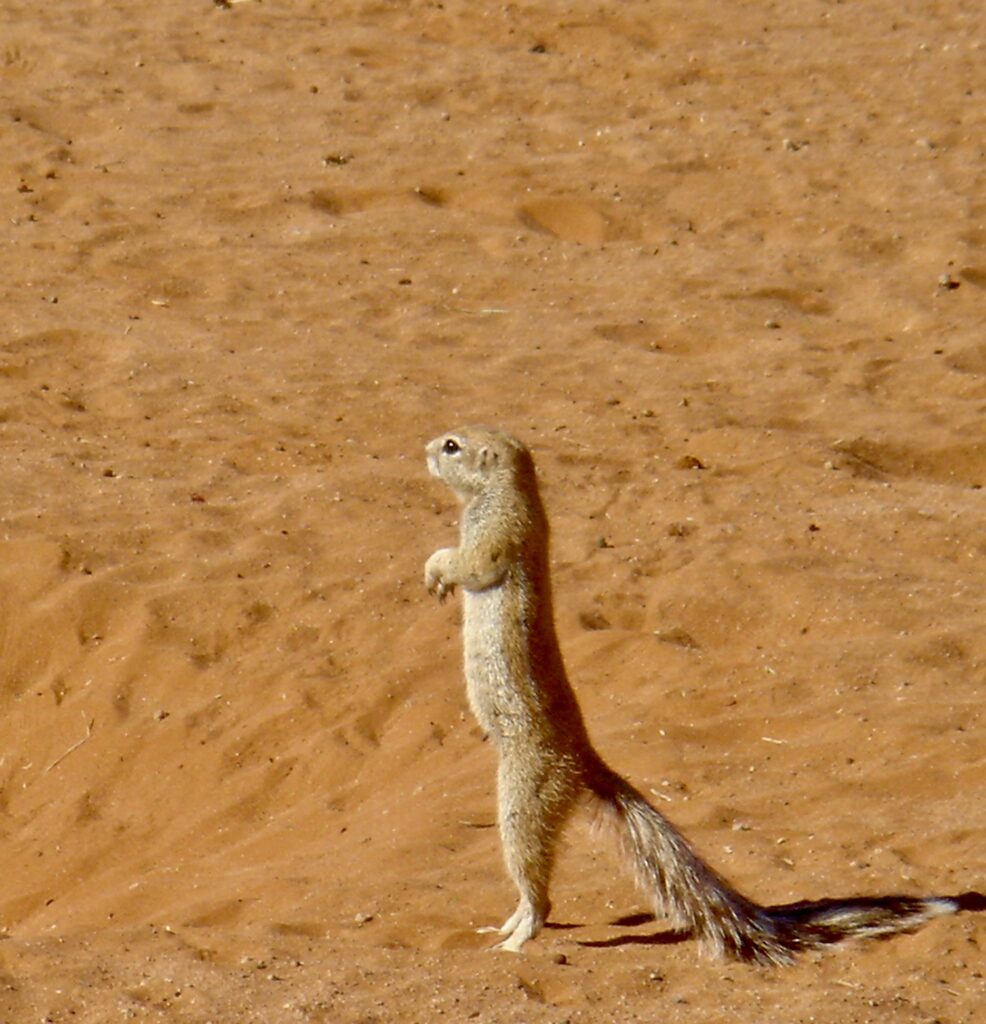
Erdmännchen in der Morgensonne
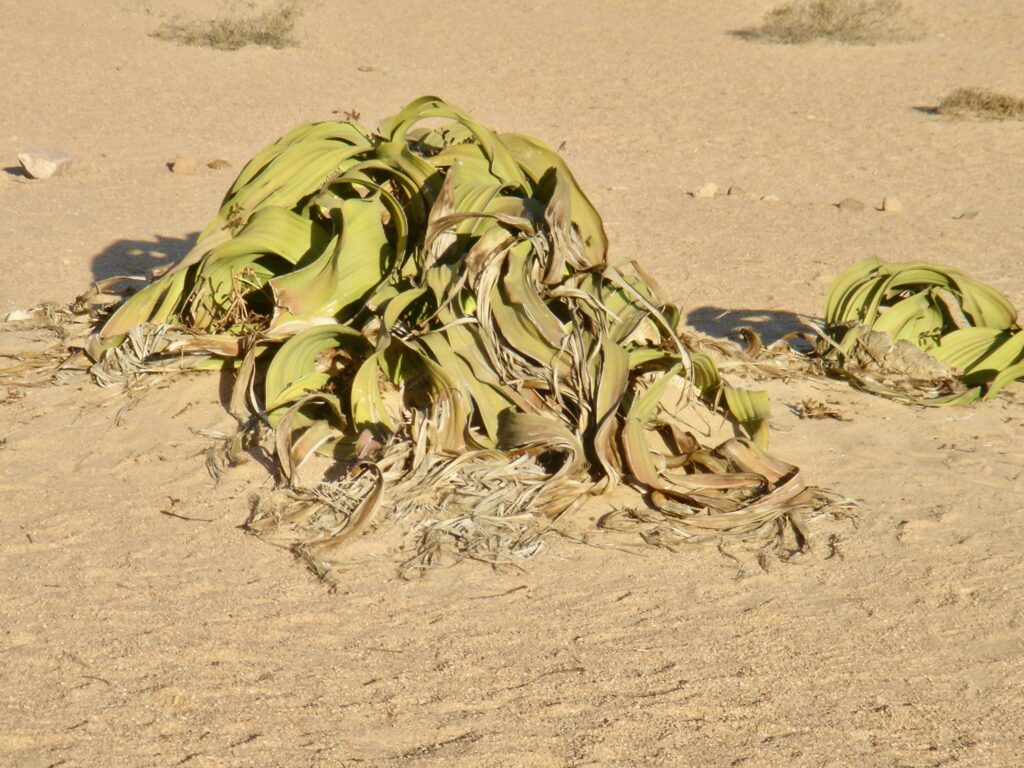
Welwitchias Mirabili
Und dann endet diese Reise mit einem letzten Tag vor unserem Rückflug in der 30 km von Swakopmund entfernten Stadt Walfish Bay auf einem Katamaran in der Pelican Bay mit frischen Austern an Deck.